Do you have information?
The Dvořák Society welcomes short items for inclusion on this News Board, from members or any other person. Display on this site will be at the Society’s discretion. Items should be sent by e-mail to:
Send a message to us
Latest News
Vacancy for Honorary Treasurer
1 January 2026
After five years, our current treasurer, Martin Israel, will be stepping down at the next AGM in 2026. We are seeking someone to fill this important and fulfilling role. For more information, click here.
Our President, Jakub Hrůša, received a top classical music award
Czech conductor Jakub Hrůša received the award for International Artist of the Year,
often dubbed the ‘Oscar’ of classical music, at a ceremony in Germany, as well as the
Bavarian Order of Merit. 44-year-old Hrůša is the chief conductor of the Bamberg
Symphony Orchestra and the music director of the Royal Opera House in London. He has
also been appointed to lead the Czech Philharmonic from the 2028/2029 season.
From Ex-pats CZ 20.03.2026
Pamela Howard was awarded a honorary doctorate
19 February 2026
Professor Pamela Howard, OBE, a member of our Society, received an honorary doctorate on 26 November 2025. The ceremony took place at the Janáček Academy of Performing Arts in Brno.
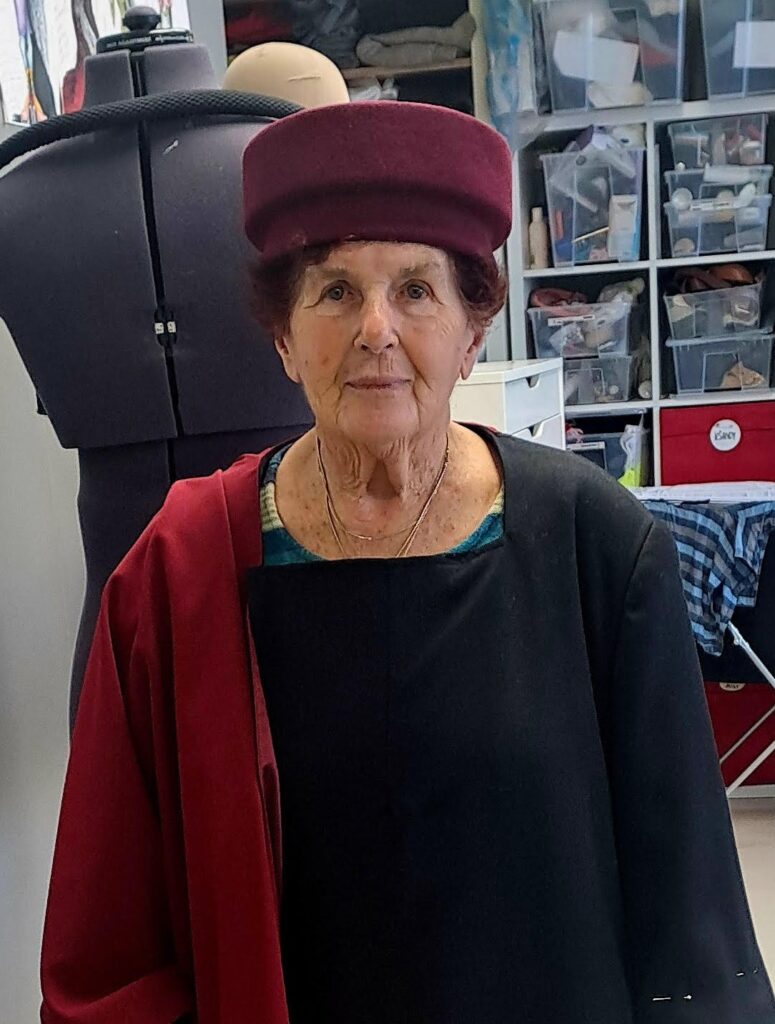
At the beginning of February, I received an email with the subject My recent award from JAMU. It was from a lady, Pamela Howard, I did not know then. What captured my interest was the following: In November 2025, I received the great honour of being made DOCTOR HONORIS DRAMATICAE at the Janáček Academy of Music. This is partly in respect of the operas of Janáček I have created as Director and/or Scenographer. After an exchange of emails with Pamela and her colleague from Hull, Pavel Drábek, I realised that she is an extraordinary person and she deserves a mention in this Newsletter.
Pamela, 87 years young, lives in a small village, Selsey, near Chichester. She was born in Newcastle and studied at the Birmingham College of Art. She won a scholarship to the Slade School of Art in London. In 2008, she was awarded an OBE for Services to Drama. She is the author of What is Scenography, currently in its third edition. When I spoke to her the other day, she was still jet-lagged from a trip to Japan, where she staged G. B. Shaw’s Pygmalion!
But where does the music come in? After all, we are the Dvořák Society for Czech and Slovak music. According to Pamela’s website, her practice encompasses large and small-scale productions, in major opera houses and unloved and forgotten spaces. She sent me fold-ups from two operas she staged at the National Theatre in Brno: Janáček’s Výlet pana Broučka do Mĕsíce (The Excursion of Mr Brouček to the Moon) and Ženitba (The Marriage), a comic chamber opera by Martinů based on a story by Nikolai Gogol. Brouček is her favourite opera. You can read more about Pamela’s achievement in the Laudatio on our website.
Tomy Duby
2025 Emmy Destinn Young Singers Awards
23 August 2025
The date for this event has been set: It will take on 23 November 2025 at 5:00 pm at Velehrad, SW13 9JP. This concert will take place in February 2026. For more information see here.
30 June 2025
The Czech Philharmonic appoints Jakub Hrůša as Chief Conductor and Music Director from the 2028/2029 season
Photo: Petr Chodura, Czech Philharmonic
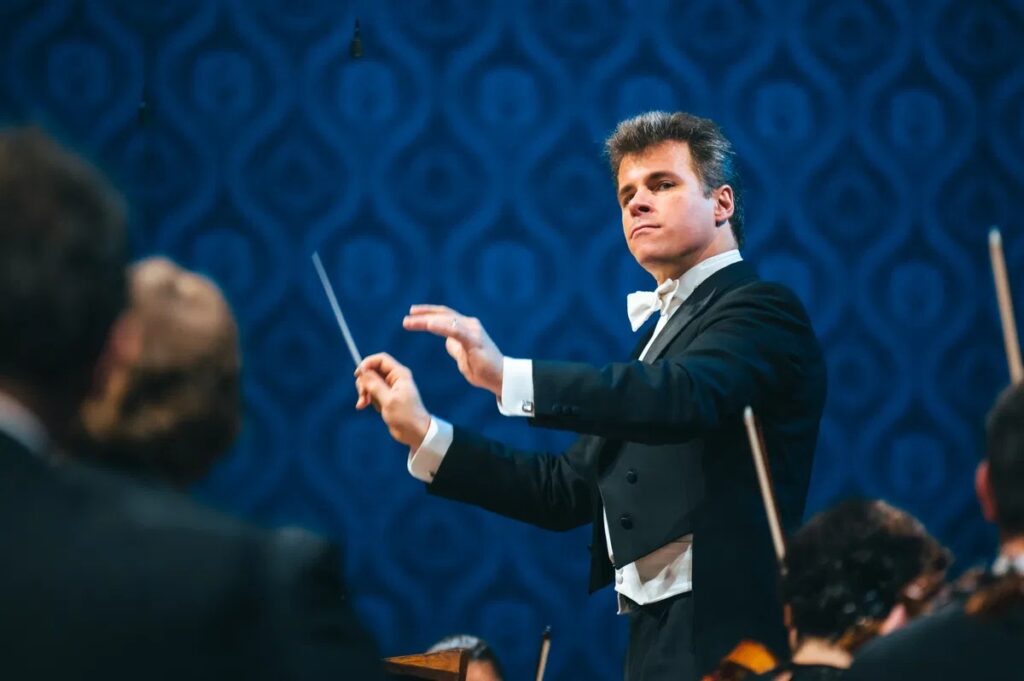
Our congratulations to Jakub Hrůša, our President!
25 May 2025
David Hamilton is a long-standing member of the Dvořák Society and is finally retiring from piano teaching at 92. David attended the Guildhall School of Music and Drama from the age of 17, where he studied composition and conducting while continuing piano studies with Hubert Greenslade (who taught at Trinity College). He began teaching piano in the 1950s and became well-known for using music written for teaching rather than simplified versions of the classics. He also did not use grade exams but utilised a vast array of music graded carefully for each pupil’s needs.
David has a large collection of unused music that he bought for teaching. It is now available to anyone who will use it. There are also some items he bought for himself that have never been used. This collection is not exactly for sale, as it is impossible to put a price on many items, but a donation would be appreciated. The full list of over 460 titles can be downloaded from here. It includes music from many countries. There are also two signed copies of Klement Slavický’s music: Na Bílých i černých and Klavier und Jugend. The full list is available for download from this post. If you are interested in an item, please contact the Newsletter Editor. No reasonable offer will be refused – the most important thing is for this wonderful music to be played.
25 April 2025
Michael Beckerman named dean of UCLA’s Herb Alpert School of Music
Beckerman is currently the Carroll and Milton Petrie Professor of Music and the Collegiate Professor of Music at New York University, where he also chaired the music department. He will begin his new role at the University of California, Los Angeles (abbreviated as UCLA) by Oct. 1. For more information, see UCLA University News.
Readers of DS Newsletter are familiar with Michael through his talks and contributions to the Newsletter. For his review of the visit of the Czech Philharmonic to Carnegie Hall, see Newsletter #149, page 13.
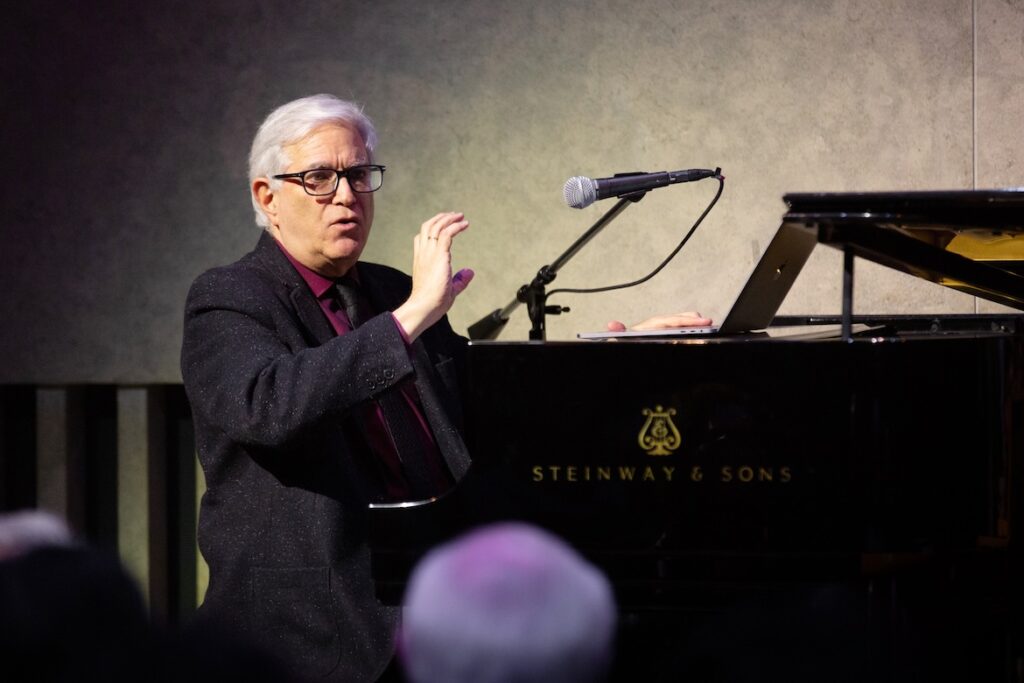
Michael Beckerman at the piano lecturing. Photo Alexa Hoyer
11 April 2025
Recording of Simon Rattle conducting the Czech Philharmonic in the Slavonic Dances
Here is the link to live stream of a concert in the Rudolfinum in Prague that that took place yesterday. In the first half, Simon Rattle conducts the Czech Philharmonic in the first set of Slavonic Dances. Then, starting 37:30 there is an extensive interview with Simon in English.
9 April 2025
2025 Annual General Meeting
The AGM of the Dvořák Society will take place on Saturday, 10th May 2025 at 2:30 pm (GMT + 1). The meeting will be virtual via Zoom. Full joining instructions will be supplied to members later via email.
For committee members see Committee & Contacts web page.
After the AGM Nigel Simeone will give an illustrated talk entitled Sir Charles and the Czechs: A Centenary Celebration marking the anniversary of our former President, Charles Mackerras.
A Brno centenary event
Our member Nigel Simeone, who received the Janáček Medal in Brno last November, has written that “after a surprise invitation from the Masaryk University, I was in Brno again at the end of January. Jiří Zahrádka [director of the Janáček Archive], Graeme Dibble [the English translator of Zahrádka’s books on Janáček operas], and I were presented with the University’s silver medal and with scrolls of positively Ruritanian splendour. This event, held in the hall of the Law Faculty, was to celebrate 100 years to the day since Janáček was awarded his honorary doctorate – I was so glad to be able to be there to mark that occasion, and the university had a display with Janáček’s original certificate. The ceremony itself was delightful (very efficiently run, and with no speeches, apart from a short one by the Rector at the beginning). It ended with a terrific performance of the Intimate Letters String Quartet. Then a pleasant hour of drinks and snacks before we walked down the road to the opera house in time for a wonderful – very moving – performance of Martinů’s Stories about Mary. I was only there for two days, but it was a busy and hugely enjoyable visit.”
Terry Heard
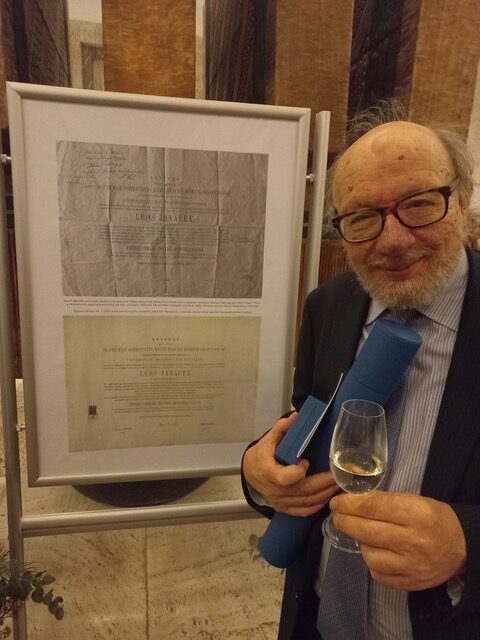
Nigel Simone
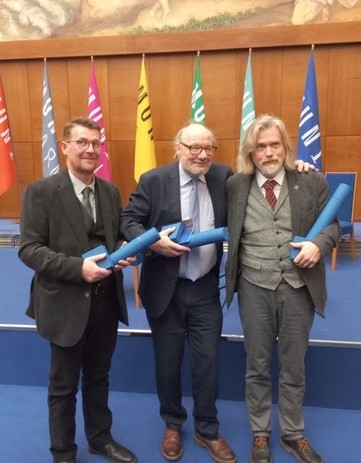
Graeme Dibble (left), Nigel Simeone, Jiří Zahrádka, after the ceremony.
25 February 2025 Thanks to Annette the following good news is worth mentioning:
Brno begins construction on new concert hall
Czech officials, including Prime Minister Petr Fiala, launched the construction of the Janáček Culture Centre, a six-story concert hall for the Brno Philharmonic Orchestra. The long-awaited venue, set to open in 2027, will seat 1,200 and cost over 2.3 billion crowns (about 76 M£). Officials highlight its top-tier acoustics and Brno’s deep musical heritage, calling it a major milestone for Czech culture.
www.expats.cz
19 February 2025, Aleš Březina (director of the Bohuslav Martinů Institute) shared with us the following information about a new book on the operas of Bedřich Smetana. It was published last month and has 300 pages, ISBN: 978-3-8260-8349-5. It is available as open access or in print form.
Aleš Březina and Ivana Rentsch (eds.), Bedřich Smetana and European Opera
The following text appears on the back inside cover:
Bedřich Smetana had a lasting influence on Czech opera history from the 1860s. As conductor at the Prozatímní divadlo (Provisional Theater) and as the composer of eight operas including Prodaná nevěsta (The Bartered Bride) and Libuše, he championed Czech musical life in Prague throughout his life. How Smetana managed the balancing act between artistic ambition and practical possibilities with his operas is the subject of this volume. The aim is to place the composer and his stage works in the context of both European operatic practice and the institutional framework and political debates in Prague in the second half of the 19th century.
In the three-part conception, Smetana’s operatic aesthetics, which are to a large extent influenced by his experiences as a conductor at the Prozatímní divadlo, contemporary music theory, theatre practice and political ideals, take first place (Martin Nedbal, Arne Stollberg, Ivana Rentsch, Thomas Jaermann, Brian S. Locke). This will be followed by a second thematic area, the contemporary European opera repertoire in the Habsburg Empire and Smetana’s engagement with it in the surviving sources (Axel Körner, Olga Mojžíšová, Sandra Bergmannová, Milan Pospíšil). As a counterpart to Smetana’s European opera reception, the third part discusses the early reception of Smetana in Europe and beyond (David Brodbeck, Vincenzina Ottomano, Christopher Campo-Bowen, Michael Beckerman).
I (Tomy, newsletter@dvorak-society.org) invite Society Members to write a review of a chapter or two in this book and submit it to the Newsletter. I am doing Smetana and Opera in his Correspondence and Diaries. Very interesting reading!
4 January 2025
Update of item from 27 May 2021
Commemorative Medallions
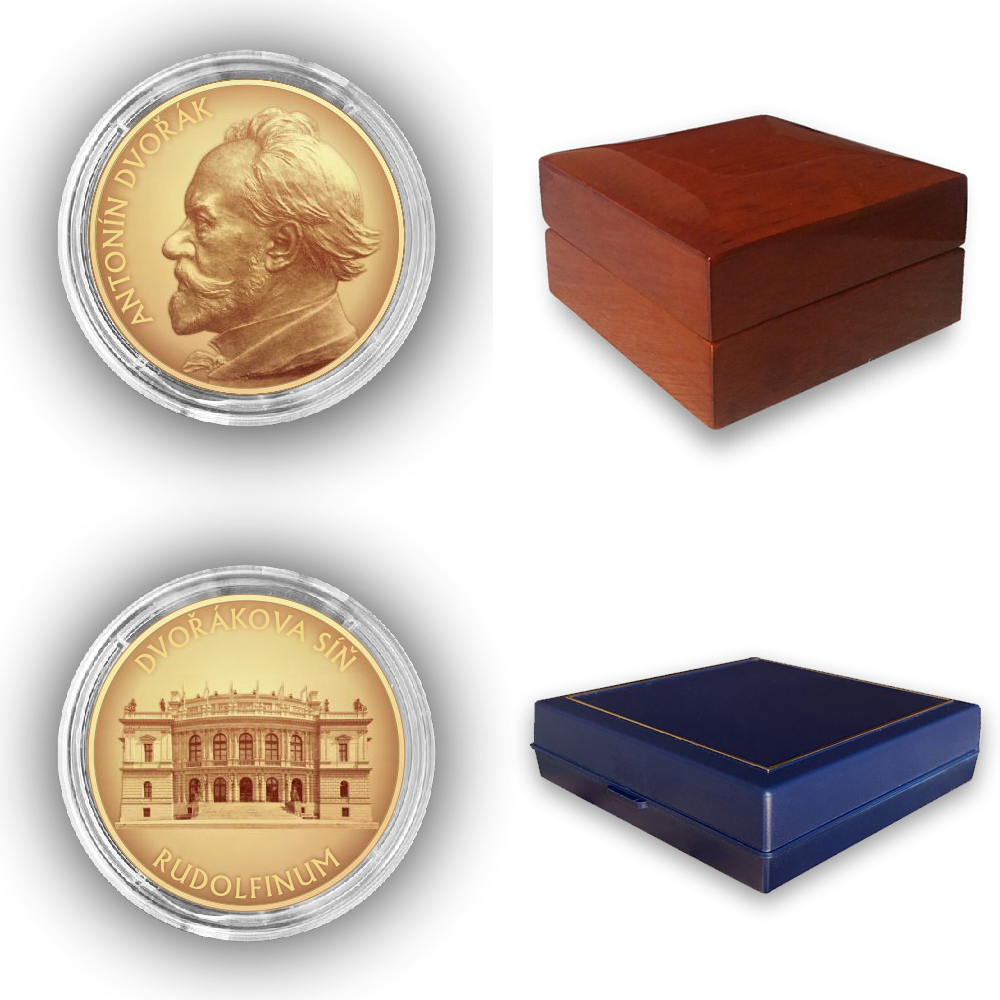
On behalf of the Prague Dvořák Society, Pavel Herčík prepared a medallion (with the portrait of Antonín Dvořák and the Rudolfinum (on the reverse). The medallion was produced for the 180th anniversary of the composer’s birth in September 2021. They are available in brass or nickel. The medallions have been minted in a Limited Edition of which we have a small quantity.
Prices of medallions with their covers (including postage and packing)
• brass in a blue plastic case – £6.50 ( two only)
• brass in a red synthetic leather case – £8.00 ( four only)
• nickel in a red synthetic leather case – £9.00 (five only)
The size of the medallion is 50 mm.
Any member interested in purchasing a medallion, please get in touch with the Chairman.
23 December 2024
DAHA Presents its Inaugural Antonín Dvořák Prize
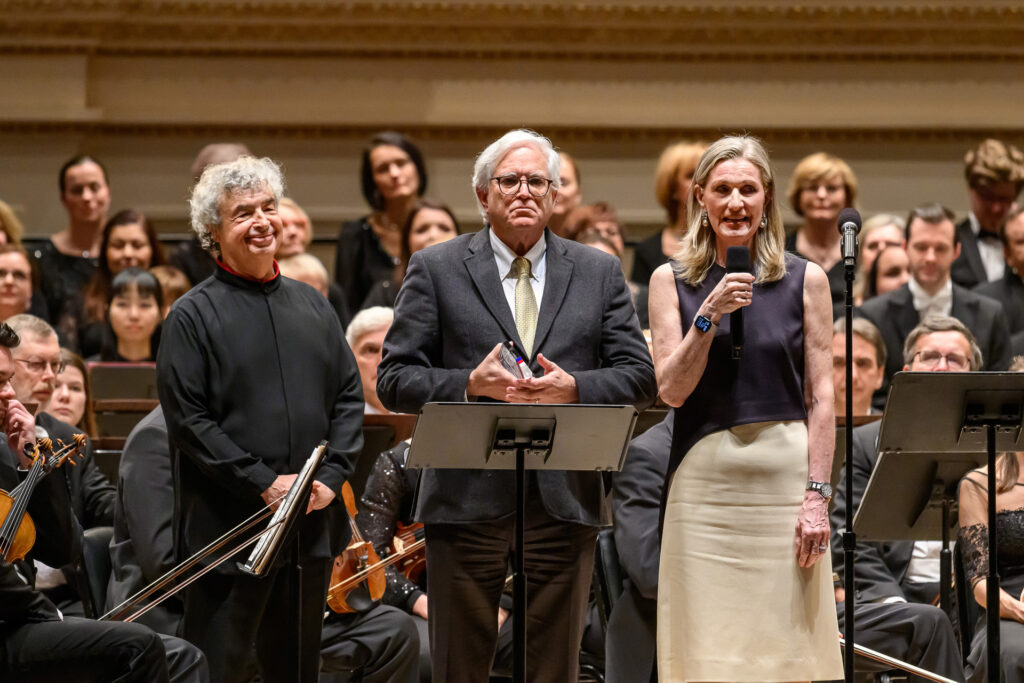
DAHA (Dvořák American Heritage Association) presented its inaugural Antonín Dvořák Prize to Semyon Bychkov. This was on 5 December 2024 at Carnegie Hall at the end of the final concert of the Czech Philharmonic in New York. The picture shows Maestro Bychkov, Professor Michael Beckerman and Susan Lucak, DAHA President and Founder. For more information see the DAHA website.
23 December 2024
A week-long Festival of Czech music in New York
This festival started on 2 December 2024 with an event in the Bohemian National Hall in New York that hosted a concert of young musicians from three countries: the Czech Republic, USA and U.K. It featured the chamber music of Antonín Dvořák, Wynton Marsalis and Edgar Elgar. In the second half, they were joined by the Czech Philharmonic players led by the concertmaster Jiří Vodička in Dvořák’s Serenade for Strings.
Over the next three nights, the action (music, to be more precise) moved to the Stern Auditorium of Carnegie Hall. The Czech Philharmonic was conducted by Semyon Bychkov. Professor Michael Beckerman prepared a detailed review that will appear in the Newsletter #149 (publication date 1 February 2025).
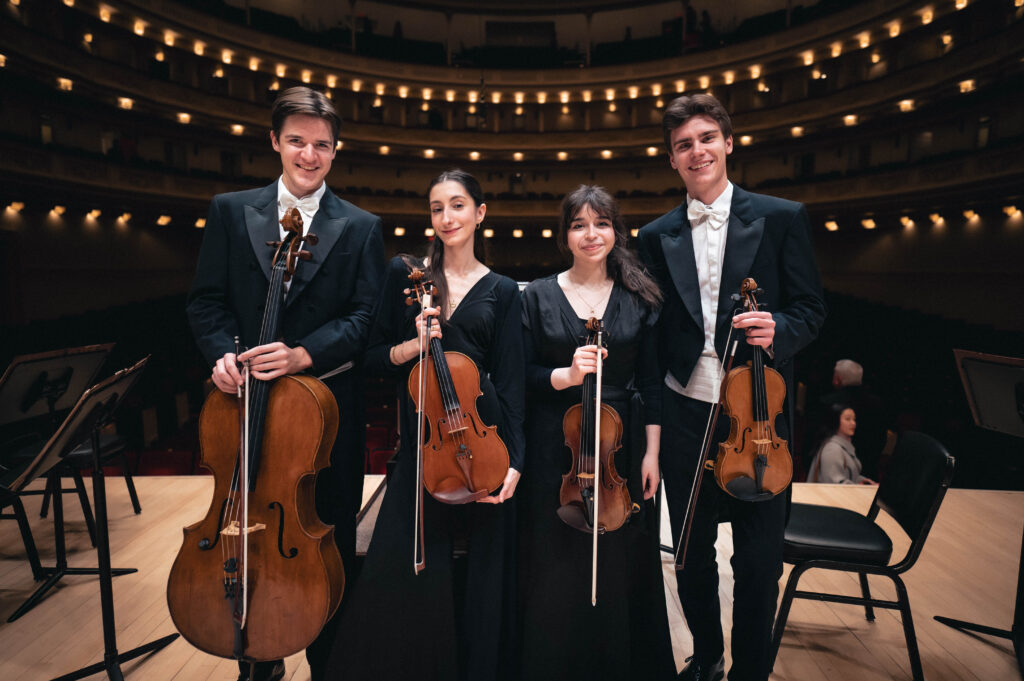
This photo shows four young musicians who one evening joined forces with the Czech Philharmonic. What an opportunity for young musicians! While I am writing these lines, I do not have any additional information. Just look at their faces, they show the full excitement of playing there!
The Prague Philharmonic Choir performed on two evenings: First, it accompanied the Czech Philharmonic and soloists in Janáček’s Glagolitic Mass. Then, on the 6 December they performed in the more intimate Zankel Hall an evening of choral works by Eben, Janáček, Dvořák, Martinů, and Jan Novák.
The final evening featured the young Pavel Haas Quartet at the Weill Recital Hall playing Suk, Smetana and Janáček.
Wow, what a feast!
Tomy Duby
Newsletter Editor
22 December 2024
Remembering 35 years of Ján Cikker’s passing
The Slovak composer Ján Cikker (1911–1989) passed away 35 years ago. He was remembered in a recording on 14 November this year at the Cikker Museum in Bratislava. It is now available on YouTube: Duo for Violin and Viola, Op. 13, arranged for violin and alto saxophone by Ladislav Franzovitz who plays the saxophone. The violinist is Janka Macíková.
27 April 2024
Smetana unveiled: Exploring the Man, the Music and the Myths. The Czech Embassy Cinema, London, on Tuesday 12th March 2024.
This informative event was organised by the Czech Centre within the framework of the Year of Czech Music and Smetana 2024, in collaboration with Czech Tourism. It was introduced by the Director of the Czech Centre, Přemysl Pela. The Year of Czech Music has been celebrated nearly every decade since 1924, the 100th anniversary of Smetana’s birth, and since then expanded to include the music of Antonín Dvořák, Josef Suk, Leoš Janáček, Bohuslav Martinů, and other composers from the Czech lands. Now we are celebrating the 200th anniversary of Smetana’s birth with a variety of events including the evening’s discussion of his life and works. For further information see www.rokceskehudby.cz/en/smetana200.
The discussion was chaired by John Allison, Editor of Opera magazine. In the panel of experts were Jan Smaczny, Emeritus Professor at Queen’s University, Belfast, Dr Thomas Jaermann, composer and musicologist, Sandra Bergmannová, Director of the Bendřich Smetana Museum and Tomáš Hanus, Music Director of Welsh National Opera, who joined the discussion via Zoom from Brno where he was conducting the latest production of Dalibor (to complete this wonderful circle, directed by Sir David Pountney).
There have been more composers in Bohemia and Moravia per square mile than elsewhere and their popularity abroad, especially in Britain, was discussed. Apart from Má Vlast and possibly The Bartered Bride, other works by Smetana were not well-known in Britain. Czech music certainly had a following in England when Antonín Dvořák visited and had some of his works performed here. Other conductors such as Charles Mackerras and Libor Pešek have since made audiences more familiar with a wider range of Czech music. John said that he had interviewed Libor Pešek many years ago and that Pešek had explained the appeal of Czech music lay in its emotion: British audiences had been taught to keep their emotions under wraps, but Czech music gave them a welcome opportunity to live their emotions through the music. This was basically why Dvořák, whose music sometimes has too much emotion, was so successful. However, the choral music of Dvořák was performed here more often in the late 19th and early 20th centuries than now, although the music of a larger range of composers is now available. Sandra was asked about the number of UK visitors to the Smetana Museum in contrast to those of other nations. She reported that there were comparatively few in contrast to the larger numbers from Germany and Asia.
It would take a very long article to do justice to the contents of the evening’s discussions. The main subjects included: the popularity of Smetana during his lifetime, his allies and enemies, what made him a ‘nationalist’ composer or otherwise, the use of mythology as well as history, his use of the Czech language, which after all, he had to learn, political controversies, his standing compared with that of Dvořák in Communist times, the popularity or otherwise of certain works by Smetana at home and abroad, his role as a teacher and conductor as well as a composer, his stay in Gothenburg, his piano music, the influences on his compositions of other composers, the impact of his deafness on his life and music, and his influence on later composers such as Janáček and Martinů.
Questions were asked about Smetana’s two string quartets, with the disturbing high E4 near the end of the first quartet, part of the ‘white noise’ of his deafness, and the second quartet which sounded unlike anything else by Smetana. The members of the panel agreed that it went beyond the conventions of the time, structurally and harmonically, and looked towards the music of, for example, Janáček. Schoenberg had admired it. Jan Smaczny thought there was something ‘visceral’ about it.
Tomáš was asked to elaborate on his collaboration with Pountney in Brno on the current production of Dalibor which is already controversial and does not reflect the historical view of the character of Dalibor. He described it as a ‘timeless’ modern production and thought that controversy was an important feature. He also said that his children thought the music must be like the pop music of the time, with ‘songs you could sing’, as the motifs are sweet and easy to memorise.
Finally, a question was asked about the importance of the conclusions reached on the examination of Smetana’s skull, which showed bones in his ear were damaged. Sandra elaborated on this topic, explaining that an accident had happened when he was about ten years old and was playing with some gunpowder in a jar with other boys. It exploded when he went to look at it, shattering glass into his face, which the boys tried to wash away with dirty pond water, thus infecting him and causing problems all his life. This was considered a suitably gory note on which to end!
To appreciate the details of the discussion, do listen to the recording on YouTube, Smetana Unveiled….
Susan Jenkinson
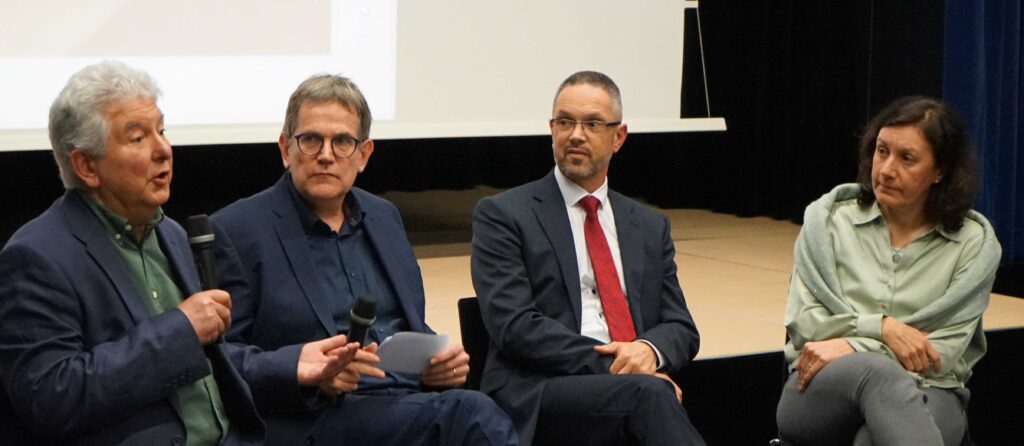
From left to right: Jan Smaczny, John Allison, Thomas Jaermann and Sandra Bergmannová. Source: Czech Centre London.
This article appears in Newsletter-146.
4 April 2024
Czech conductor and Dvořák Society President, Jakub Hrůša in conversation with British musicologist, Nigel Simeone about their musical careers and Czech music on Wednesday 20 March 2024 at the cinema in the Czech Embassy in London.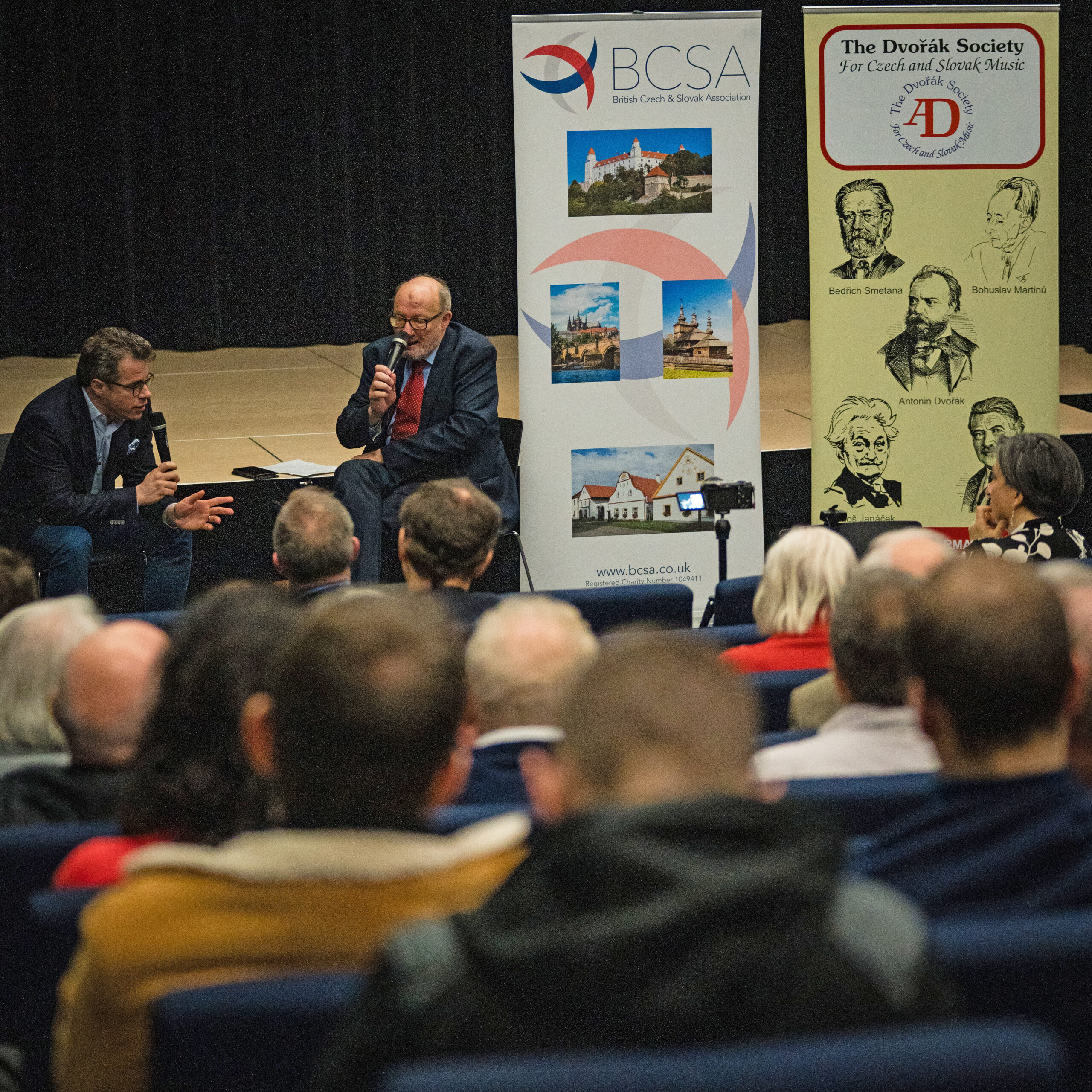
This was a joint event of the BCSA (British Czech and Slovak Association) and the Dvořák Society. Following introductions by Jana Nahodilová (Chairman of the BCSA) and David Roberts (our Chairman), Jakub Hrůša and Nigel Simeone each described their earliest encounters with the music of Janáček.
Firstly, Nigel recollected that, aged 14, he was on a school trip to Germany, where at one point they were given the choice of visiting the local docks or going to a performance in German of The Cunning Little Vixen. He chose the latter and was immediately drawn to Janáček’s music, eager to discover more. Then Jakub related how, aged 9, he went to explore the communal loft in the block of flats where his family lived and came across an old gramophone with a pile of old 78 records. He had no idea what he would hear, but it was, in fact, Janáček’s Glagolitic Mass. He found it incomprehensible, but exciting, a kind of ‘primordial force’ and so he played it over and over again. The equipment did not work very well, but that gave the music added character!
The first main topic of conversation was concerned with what makes the music of Janáček, Smetana and Dvořák, Czech. Unusual components such as the mixture of historical and legendary aspects stood out. Each was also very individual, with Smetana being particularly ambitious and idealistic in his nationalistic vision. Previously, in Bohemia and Moravia, there had been a large number of good musicians, who, however, had not been as creative or famous as, for example, Mozart. Many had gravitated towards Vienna. Jakub mentioned that many Germans/Austrians had considered Czech composers to be inferior. However, Brahms in recommending Dvořák to the German publisher, Simrock, elevated his status and popularity with Germans. In comparing the music of Dvořák and Smetana, the two speakers pointed out that Dvořák adhered to traditional, Catholic views, whereas Smetana looked more radically into the future, became less conventional and more interested in political discourse, wanting to grab the attention of his audiences. Although Smetana wrote a lot of piano music and two string quartets, it is really for his operas and the tone poem cycle Má Vlast that he is remembered by most audiences, whereas Dvořák is chiefly remembered for his symphonies, string quartets and religious works, despite also writing some operas. Smetana, despite his ‘German’ background and not writing and properly learning Czech until his late thirties, is considered the ‘Father of Czech Music’.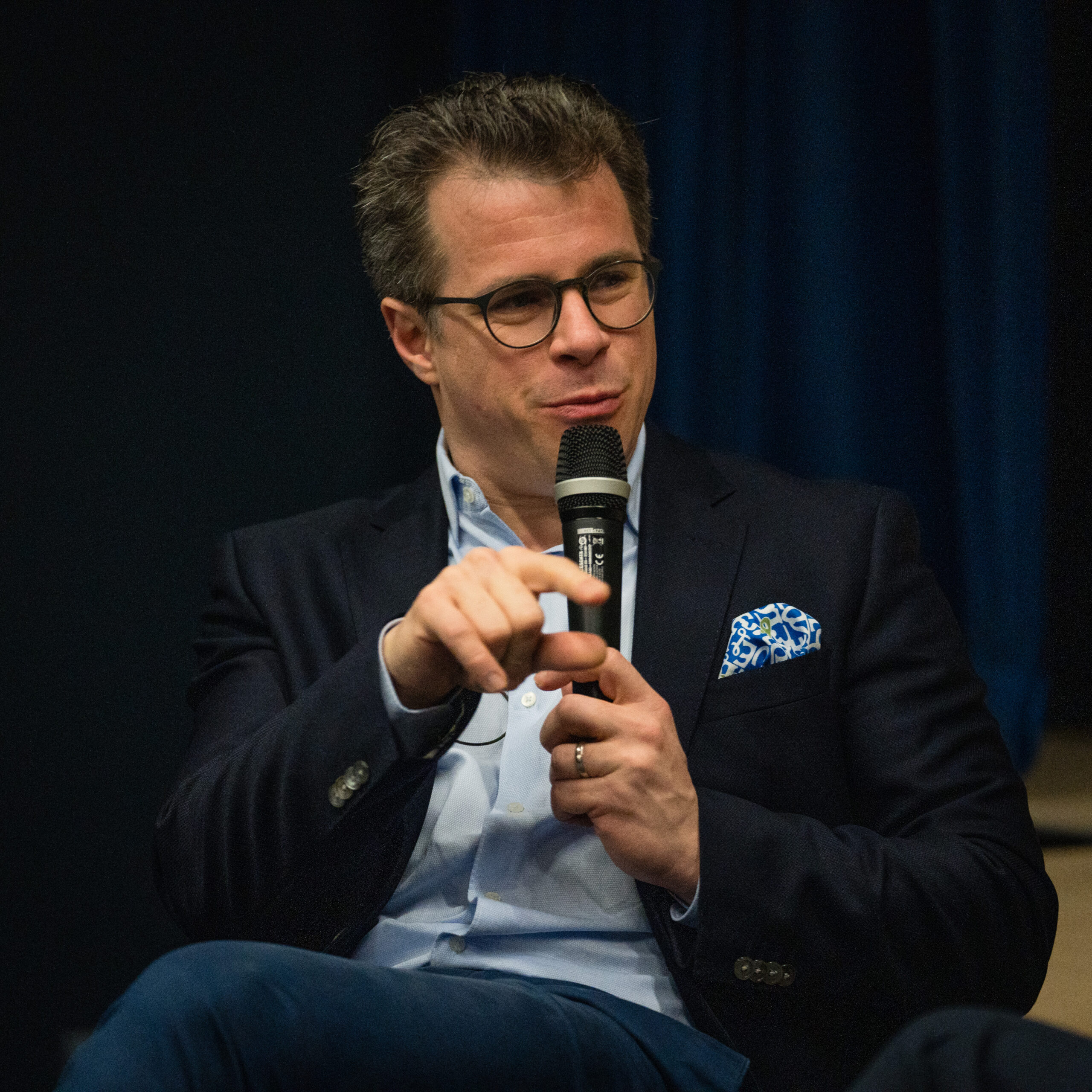
Jakub pointed out that Janáček certainly considered Smetana to be a father figure in his compositions and wrote in 1925 that it was like being ‘face to face with God’. However, Janáček was also more rebellious, looked towards Eastern European traditions, and even considered Smetana ‘too German’. Janáček was concerned with portraying real life on stage, not idealised events as found in the operas of Smetana and had been inspired by the ‘verismo’ of, for example, Puccini. Nigel mentioned Kát’a Kabanová, and similarities to Madama Butterfly. Nonetheless, both speakers thought that Janáček was also influenced by, for example, Verdi and Tchaikovsky in his portrayal of sentiment. Moreover, Janáček respected Beethoven and conducted his Missa Solemnis. In his early years, he went on long walks with Dvořák, collecting folk songs together. However, it cannot be denied that, unlike Dvořák, Janáček found other sources of spirituality than in conventional religion. Even though he built his music for the Glagolitic Mass on the established structure of a mass, he chose an Old Church Slavonic text and not Latin. The work reflects his support for pan-Slavism.
Jakub Hrůša is currently the Music Director Designate of the Royal Opera, Covent Garden (Music Director from 2025) and so it was obvious that he would be asked about his future role there, including which operas he would like to conduct. He pointed out that on the one hand, he wanted to serve mainstream operagoers and thereby discover some more frequently performed Italian, French and German operas which he had not yet conducted. On the other, he would like to introduce operas by Smetana and Janáček which had seldom been performed here. He was a little hesitant about operas by Dvořák, such as The Devil and Kate and The Jakobin, although he was in his element with Dvořák’s symphonic music.
The power of stage directors to change the original settings of operas was discussed. Jakub felt that this fashion was fading and that external factors such as unusual staging should not interfere with the original intentions of the composer. The most stable element of all, is, of course, the music.
As for non-native speakers singing in Czech, it is often the case that Czechs do not understand them. However, some non-native singers even pronounce Czech more clearly than the Czechs themselves! He does not mind if the pronunciation is not absolutely perfect, but with hard work, convincing pronunciation can be achieved.
Finally, Jakub was asked how he is adapting to English food and weather. He replied that a large choice of food is available here from all over the world and that he accepts all kinds of weather.
Thanks are due to the BCSA and the Czech Embassy for their assistance in facilitating this informative and enjoyable evening. We look forward to cooperating in future events.
Susan Jenkinson
Picture credits: Erik Weisenpacher
A recording of the event can be found on the British Czech and Slovak Association YouTube channel at https://youtu.be/2iYko7oLimM
This article appears in Newsletter-146.
3 April 2024
NEWS FROM HOUSE OF LOBKOWICZ
After a long winter, the time we have all been waiting for has finally arrived. Join us for the opening season of our heritage sites, where
fun—and brand new—activities await!
https://www.lobkowicz.cz/en
13 January 2024
(Click to view full size)

23 September 2023
German students to perform Brundibár at Terezín 80 years after original staging
Students from a German secondary school are to perform the children’s opera Brundibár at the former Terezín ghetto in Bohemia, 80 years after it was first staged by Jewish inmates there during World War II, a spokesperson for the Terezín Memorial said on Monday. Interest in the event is great and few spaces remain for the event at the Magdeburg Barracks.
Brundibár, which was written by Hans Krása, was first performed on September 23, 1943.
The school company and orchestra from Germany’s Wülfrath have already staged the children’s opera elsewhere, including in Israel with survivor Zvi Cohen, who took part in it in Terezín during the Holocaust.
Source: english.radio.cz
28 August 2023
THE MANY PASSIONS OF LEOŠ JANÁČEK
ORIGINAL COMPILATION OF RECORDINGS OF THE BRILLIANT COMPOSER’S WORKS
Album detail
Catalogue number: SU 4328-2
Music composer Leoš Janáček was not only very talented and original but also truly hard-working and devoted to his country and culture. Janáček’s music is full of emotions, colours, melodies and harmonies reflecting his personality and experience. His oeuvre continues to be performed and appreciated worldwide. This August, ninety-five years have passed since his death and next July the music world will be commemorating the 170th anniversary of his birth. That provides a fitting occasion to release a special compilation presenting Supraphon’s most remarkable recordings of his brilliant works. The anthology The Many Passions of Leoš Janáček will be released this Friday, 25 August 2023, as a 4-CD set and in digital formats.
“In connection with the previous compilation, The Many Loves of Antonín Dvořák, which met with favourable response from reviewers in the USA and in the UK, we asked the BBC 3 long-time music producer and one of the great experts in and lovers of Czech music and its recordings, Patrick Lambert, to compile a similar series dedicated to the Moravian master,“ said Supraphon’s producer Daniela Bálková. More…
26 August 2023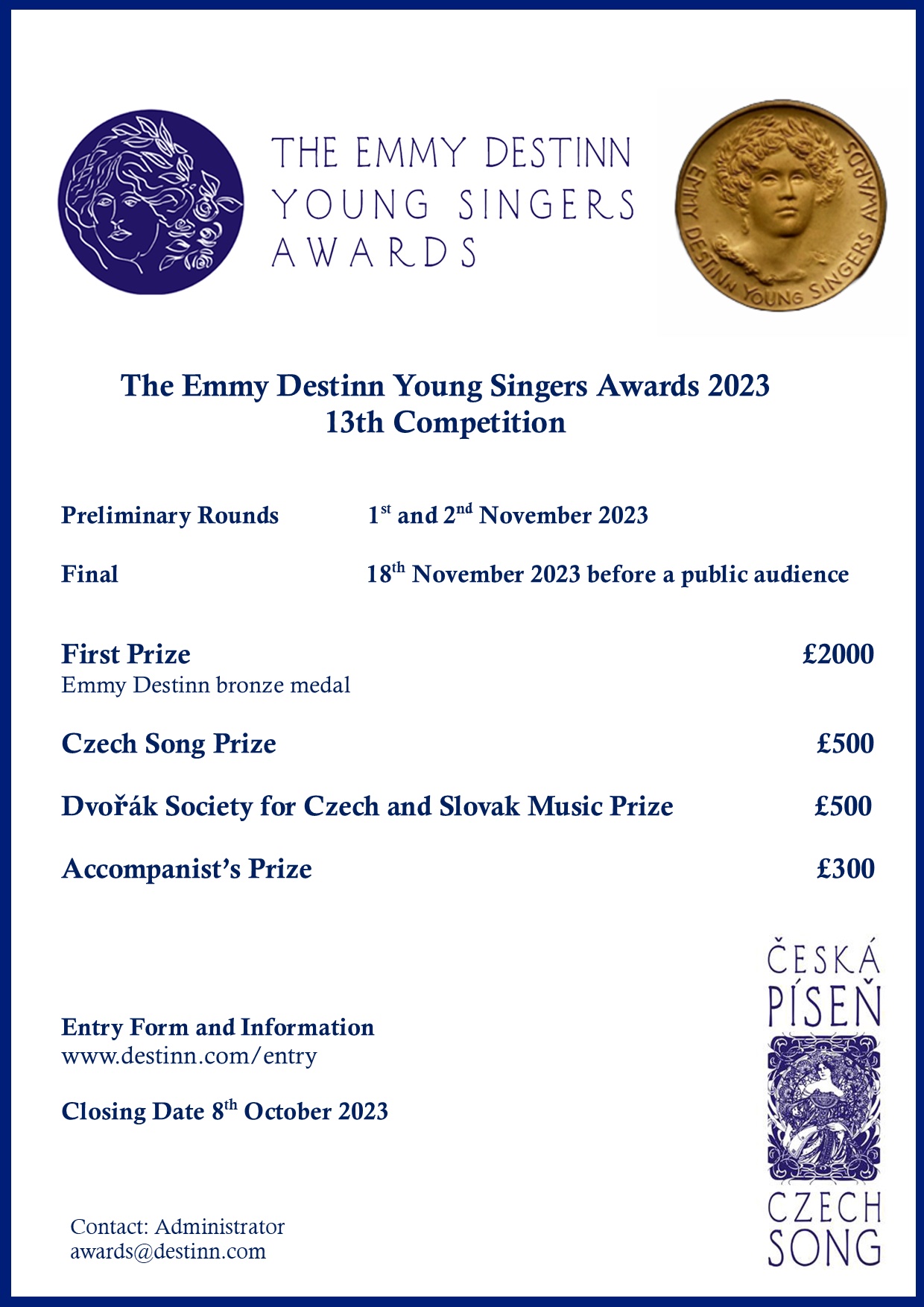
18 August 2023 (from Terry Heard)
Petr Kadlec, Head of Education at the Czech Philhamonic Orchestra, has sent details of the latest release in their excellent series of videos introducing and analysing major Czech works, made with the Czech Philharmonic Youth Orchestra, in Czech with English subtitles. This one is on Janáček’s Jenůfa, and lasts about 90 minutes; the link is https://www.youtube.com/watch?v=Ws0b_qCqpaE&ab_channel=%C4%8Cesk%C3%A1filharmonie.
The Czech Philharmonic YouTube site youtube.com/@CzechPhilharmonicOfficial is certainly worth exploring.
18 August 2023 (from Terry Heard)
The Antonín Dvořák Museum in Prague announces a special exhibition titled Antonín Dvořák: My Life and Work, which was created for the occasion of the inscription of the Antonín Dvořák Archive into the UNESCO Memory of the World Register in May of this year. The exhibition opens on 13 September. Further information about the Museum is at https://www.nm.cz/en/visit-us/buildings/antonin-dvorak-museum.
18 August 2023 (from Terry Heard)
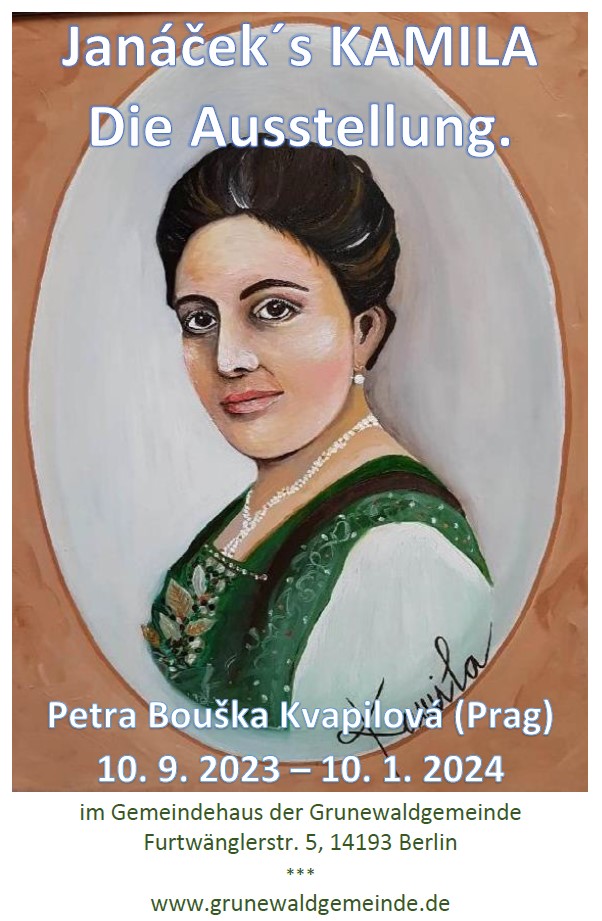
An invitation from Petr Vašíček: PV has kindly invited all members to the private view (Vernissage) on September 10 of an exhibition in Berlin of works by Petra Bouška Kvapilová dedicated to Janáček’s muse Kamila Stösslová, or to visit the exhibition later (until 10 January). The details are attached.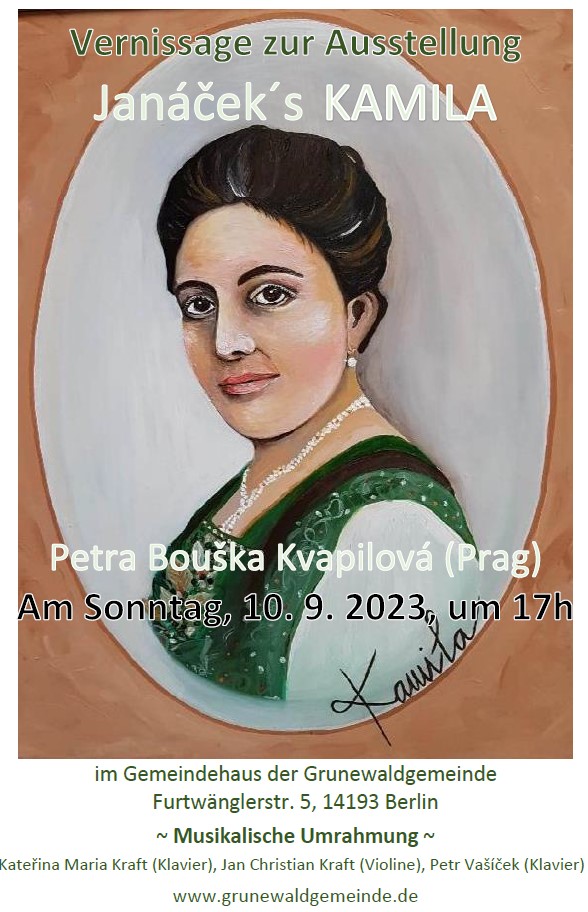
14 August 2023
Our President, Jakub Hrůša writes on Facebook (11 July 2023)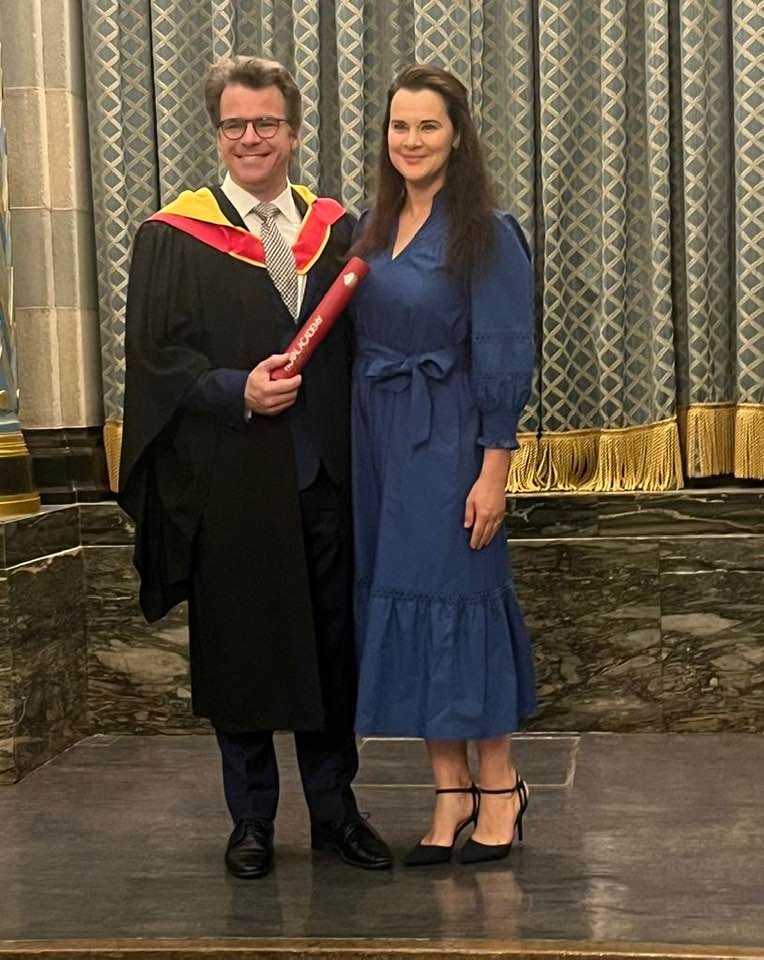
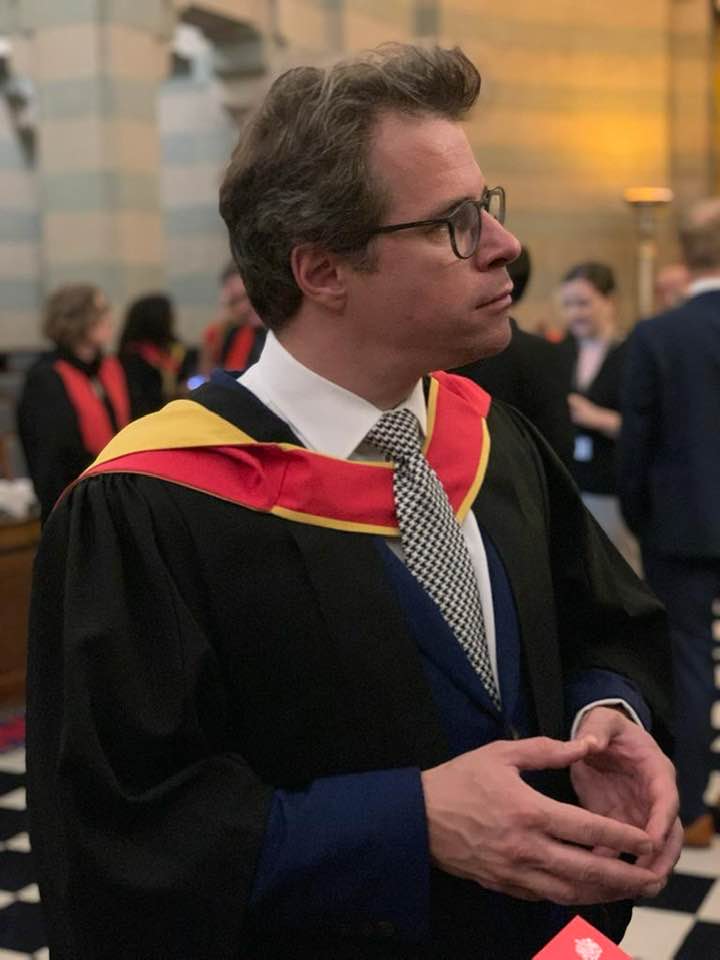
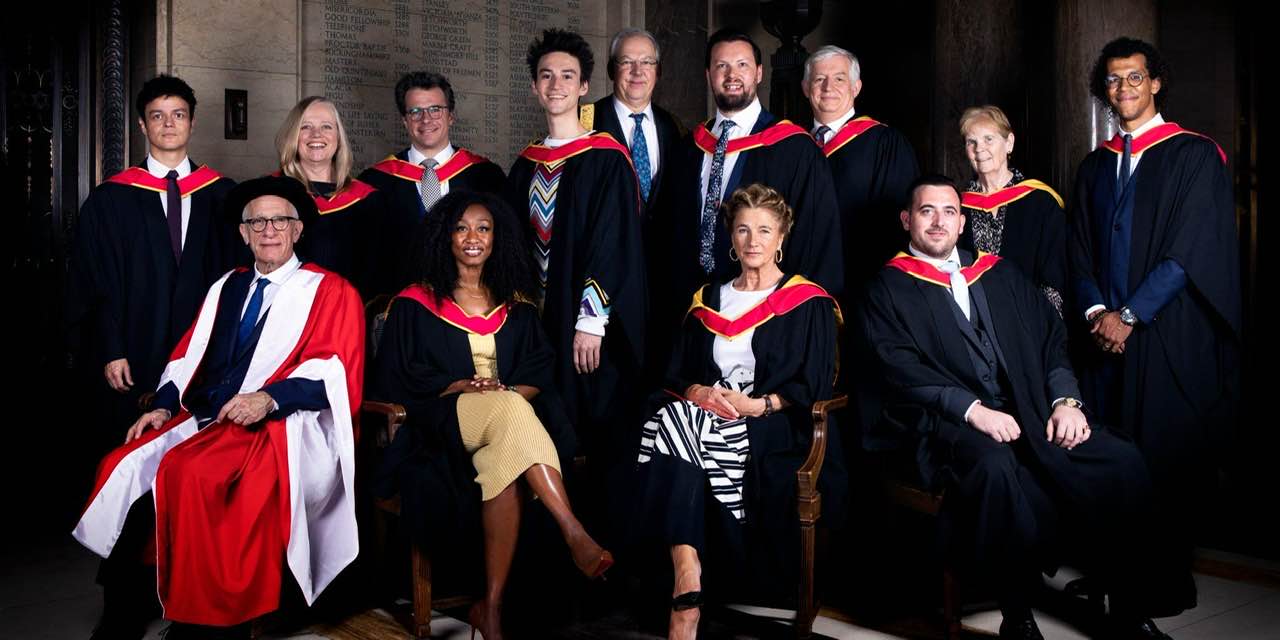
“I’m truly thrilled and privileged to be awarded an HONORARY MEMBERSHIP of the Royal Academy of Music in London today, an honour held only by 300 living musicians of the world.
Together with me great colleagues Jamie Cullum, Maria João Pires, Beverley Knight MBE and Kate Paterson; before us certain Felix Mendelssohn, Igor Stravinsky or Pablo Casals. Very happy today.
Fellowship awarded to David Butt Philip, Jacob Collier, Freddie De Tommaso, Susan Hallam, Jonathon Heyward, The Duchess of Wellington OBE and Roger Wright, the Doctorate to James Newton Howard.“
Our congratulations on this great honour.
14 August 2023
The Society’s Annual Reports for 2022/23 are now available in the Members section.
3 July 2023
Secrets, Middles and Endings in the Cello Concerto, lecture of our Honorary Member Prof. Mike Beckerman delivered after the AGM on 22 April 2023.
Abstract of this talk: This talk explored how the Dvořák’s Cello Concerto relates to the shift from ‘absolute’ to ‘narrative’ music in his compositions from the New World Symphony onward.
Link to this talk, passcode ^9xIK+bE, the talk starts at 3:00.
10 June 2023
Petr Popelka announced as next Chief Conductor of the Wiener Symphoniker
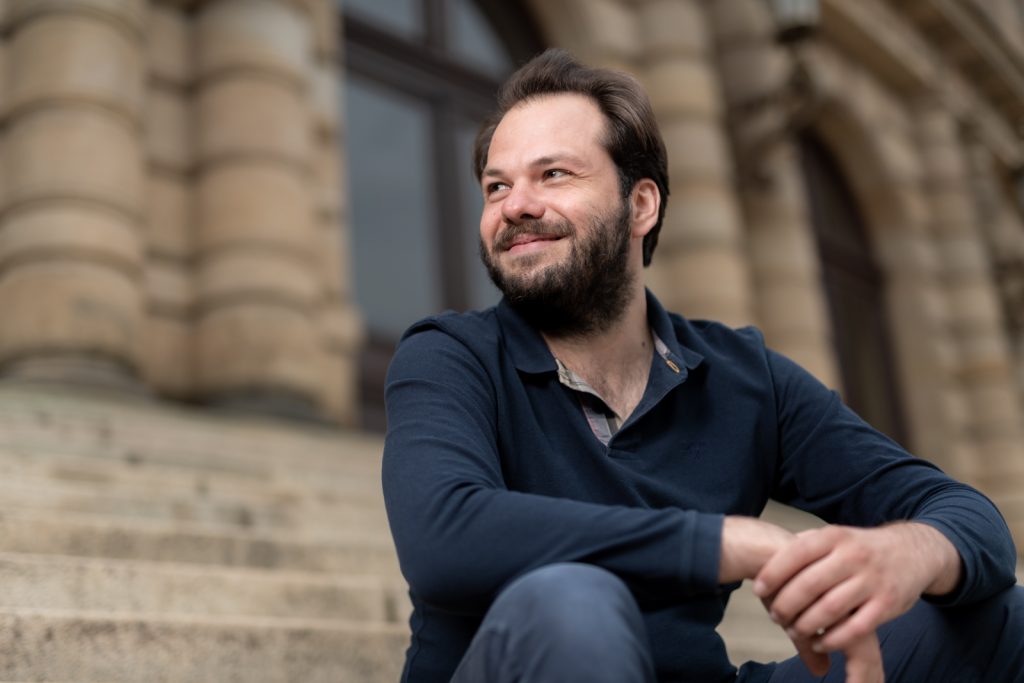
Petr Popelka has today (9 June 23) been announced as the new Chief Conductor of the Wiener Symphoniker, following an overwhelming majority vote by the orchestra’s musicians. The forthcoming 2023/24 season will already see him conduct over 20 performances with the orchestra as Chief Conductor Designate in Vienna and on tour, as well as opera at MusikTheater an der Wien. He will then take up his position from the 2024/25 season for an initial period of five years.
On announcing the appointment, Jan Nast, Intendant of the Wiener Symphoniker said:
‘I am very pleased about the outcome of the musicians’ vote. Following Andrés Orozco-Estrada unexpected departure, it was important for the orchestra to take its time and understand very carefully how his successor could match the Wiener Symphoniker’s personality. As such, the selection was less about names than about the art and the possibilities to bring to life shared visions. The performance of Gustav Mahler’s First Symphony with Petr Popelka was memorable for many musicians – and, indeed, for me personally – suddenly we all felt that something unique was in the air. Working with Petr Popelka is inspiring, fruitful, always dialogic and characterised by an unwavering shared creative enthusiasm. I am glad that Petr Popelka will step into the future arm-in-arm with the Wiener Symphoniker. I am firmly convinced that we have found an exceptional artist in him, with whom we can further develop the distinctive spirit of the orchestra in the long term.’
Born in Prague in 1986, Petr Popelka received training as a double bassist in Prague and Freiburg. Before transitioning to conducting, he played as deputy solo bassist with the Sächsischen Staatskapelle Dresden under chief conductor Christian Thielemann. He is Chief Conductor of the Norwegian Radio Orchestra and Chief Conductor and Artistic Director of the Prague Radio Symphony Orchestra, as well as being an active composer.
He explained why this appointment is so special to him:
‘Becoming Chief Conductor of the Wiener Symphoniker is a dream come true. Even as a teenager, I regularly drove from Prague to Vienna with my parents to listen to the greatest orchestras in the world in this city. To me, the Wiener Symphoniker is the musical embodiment of Vienna, an orchestra that captures and evokes the spirit of the city, an ensemble with a great tradition but, above all, an orchestra that has always encapsulated a modern pioneering spirit – both in terms of repertoire and the role of an orchestra within society. When asked what I imagine my journey with the Wiener Symphoniker to be like, I think of my own little son; What kind of orchestra do we want to pass on to the next generation? How does a modern orchestra function in which we play together and on an equal footing? How can we work together to maintain and strengthen the virtues of the Wiener Symphoniker? In my conducting engagements with the Wiener Symphoniker to date, I have always felt the profound passion of the musicians, the possibility of immersing ourselves collectively in the music in the moment, fuelled by a burning dedication for the cause and for the music! Together, we have the opportunity to invigorate a modern orchestra that stands at the heart of the world.’
Before the summer break, Popelka will be performing Arnold Schönberg’s monumental Gurre-Lieder with both his orchestras from Oslo and Prague at the festivals in Litomyšl and Prague.
From the 2023/2024 season, he will, as Chief Conductor Designate, lead the Wiener Symphoniker in a new production of Weinberger Schwanda the Bagpiper at the MusikTheater an der Wien in addition to joining the orchestra for multiple concerts in Vienna and on two European tours. He makes his debut with a production of Mozart Don Giovanni at the Zurich Opera House, and further orchestral debuts with the Gewandhausorchester, Munich Philharmonic, Pittsburgh Symphony Orchestra, Orchestre National de France and Orchestre National du Capitole de Toulouse.
Source: https://www.petrpopelka.com/petr-popelka-announced-as-the-new-chief-conductor-of-the-wiener-symphoniker/
posted 1 May 2023
New Publication by member Jonathan Del Mar

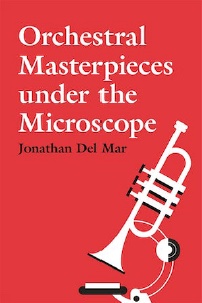
Hardcover, £65.00 / $95.00
March 2023 9781783277322
736 Pages
To order this book visit
https://boydellandbrewer.com
Use code BB135 for 35% off
Orchestral Masterpieces under the Microscope
Jonathan Del Mar
DESCRIPTION
A must-have for any conductor, conducting student and orchestral librarian.
How does a conductor know whether the score they use is what the composer wrote? How do orchestral players know that their parts are reliable and reflect the latest scholarship? As Jonathan Del Mar reminds us in this ground-breaking book, editions of the orchestral repertoire are beset by textual problems: simple misprints, mistakes in the score or player’s part, or hopelessly outdated scores at odds with current scholarship.
Driven by a fundamental respect for what the composer actually wrote, Jonathan Del Mar addresses these problems through textual reports on over 100 orchestral masterpieces of classical music. Each report is introduced with essential guidance and succinct commentary on the first performance and publication of the work. Critical editions are compared with commonly used editions, and in those cases where no Urtext Edition exists, this much-needed reference work functions as a replacement for an Urtext Edition.
Orchestral Masterpieces under the Microscope will be an indispensable reference tool for all who care about performances honouring the correct text that composers have left us. It serves as an essential survival guide for conductors and musicians to make informed choices, and it offers much-needed clarity on the latest scholarship for musicologists and music librarians alike
AUTHOR/EDITOR BIOGRAPHY
JONATHAN DEL MAR is a conductor and musicologist. His Beethoven editions are published by Baerenreiter and performed by orchestras and ensembles around the world.
posted 11 March 2023
Education Videos of Petr Kadlec
Petr Kadlec, the Czech Philharmonic Orchestra’s Head of Education, has sent the links to four substantial videos made with the Czech Student Philharmonic in the Rudolfinum which analyse Dvořák works with a predominantly young audience in an informal and highly entertaining style. The videos are in Czech with English subtitles:
THE WATER GOBLIN
THE NOON WITCH
RUSALKA
VIOLIN CONCERTO WITH JOSEF ŠPAČEK
posted 10 March 2023, updated 10 April 2023
Rusalka Revealed: Dvořák’s operatic masterpiece
Some of us attended on the 22-Feb-23 the interesting discussion at the Czech Embassy recently about the new Bärenreiter Urtext score of Rusalka, due to be published in October 2023. You may have noticed from other sources, eg Facebook, that a video is available of the discussion on YouTube. One of the speakers, Jonáš Hájek from Bärenreiter in Prague, has mentioned it in his email to me, in which he positively responds to our invitation to the Prague branch to become a Corporate Member of the Dvořák Society.
Susan Jenkinson.
There is also a detailed article in the Das Bärenreiter-Magazin.
Here is a link to a recording of this meeting.
posted 6 March 2023
Dvořák Society seeks an E- shop Manager.
In the past year Bill Marsden has retired from our Record service and now that David Banister is standing down as Sales Manager from April 2023 we intend to combine the two roles and now seek someone to become E-shop Manager.
The Dvořák Society not only holds stock of its own Occasional Publications and Journals, but a small quantity of other books associated with Czech and Slovak music. Some of these are not readily available elsewhere.
In the past couple of years an E-shop has been established on the Society’s website and all sales, together with on-line payments, are managed there.
The role would involve:
- Liaising with the Website Manager in monitoring stock levels.
- Despatching orders as appropriate, usually via Royal Mail.
- Liaising with the Committee when new items are suggested/added to the E-shop
- Sending a short paragraph of interest to the Newsletter quarterly.
- Holding a certain amount of stock at home.
- Two of three times a year sending a claim to the Treasurer for postage and packing expenses incurred.
- Realistically, the E-shop manager should be resident in the UK.